
Marissa Kent

Nutrition for Life

  • Email
  • LinkedIn
  • Twitter
  • Home
  • About
  • Services
  • Scheduling
  • Resources
  • Blog
  • Recipes
  • Contact

Start Your Path to Wellness

Sign up for my newsletter to get free healthy tips and recipes delivered to your email.

Spring Foods!

Mar 312016 by Elise Harlow // Leave a Comment

Spring Foods!

Spring has officially sprung! With this new season brings a new variety of fruits and vegetables to our local grocery stores. The following is a list of produce that are in season during the spring time:

Strawberries: these sweet berries are loaded with vitamin C. 1 cup provides more than a day’s worth of Vitamin C!

Asparagus: high in vitamin K (great for bone-building), folate, vitamin A and iron.

Spinach: excellent source of fiber and high in vitamins A & C, iron, folate, and magnesium. Enjoy this leafy green raw or sautéed!

Apricots: excellent source of vitamins A & C and high in potassium and fiber.

Artichokes: high in fiber, vitamin C, folate, and magnesium.

Broccoli: high in vitamin C, folate, fiber & potassium.

Peas: high in vitamins C & A, folate and fiber.

Looking for a way to enjoy the flavors of spring? Try this nutrient dense, DASH diet friendly Spring Peanut Pad Thai recipe from Food and Nutrition Magazine.

Spring Peanut Pad Thai

Serves 6

Ingredients

  • 8 ounces flat rice noodles (brown rice preferred)Spring peanut pad thai
  • ¼ cup low-sodium creamy peanut butter
  • 1 tablespoon grated fresh ginger
  • 2 cloves garlic, minced
  • 1 tablespoon brown sugar
  • 3 tablespoons rice vinegar
  • 3 tablespoons reduced-sodium soy sauce
  • 1 tablespoon sesame oil
  • ¼ teaspoon crushed red pepper flakes
  • ¼ cup
    hot water
  • 1 tablespoon canola oil
  • ⅓ cup scallions, chopped, including white and green parts
  • 2 cloves garlic, minced
  • 2 large eggs, lightly beaten
  • 8 ounces trimmed asparagus, cut into 1-inch pieces
  • 1 cup frozen peas
  • 1 large lime, juiced (about 2 tablespoons)
  • ½ cup roasted peanuts, lightly salted, roughly chopped
  • ¼ cup cilantro, chopped


Directions

  1. Prepare rice noodles according to package instructions. Pour noodles into a colander and let drain.
  2. Meanwhile, make sauce by whisking peanut butter, ginger, garlic, brown sugar, rice vinegar, soy sauce, sesame oil and crushed red pepper flakes in a medium bowl.
  3. Slowly whisk in hot water and stir until sauce is blended. Set aside.
  4. In a large wok, heat canola oil over medium heat. Add scallions and cook until fragrant, about 1 to 2 minutes. Add garlic and cook for 30 seconds. Pour in eggs and stir to scramble for about 2 minutes or until soft. Add asparagus and peas and cook for 3 to 5 minutes, stirring often, until asparagus is tender.
  5. Add drained noodles and sauce and cook for 1 to 2 minutes, tossing until the liquid has been absorbed. Stir in lime juice.
  6. Transfer cooked noodles and vegetables to a large platter or bowl and garnish with peanuts and cilantro. Serve immediately.


Cooking Note

  • This dish comes together quickly, so be sure to chop and prep all ingredients before cooking.

Nutrition Information
Serving size: 2 cups (350 grams)
CALORIES 232; TOTAL FAT 3g; SAT. FAT 1g; CHOL. 188mg; SODIUM 227mg; CARB. 24g; FIBER 3g; SUGARS 5g; PROTEIN 25g; POTASSIUM N/A; PHOSPHORUS N/A

Categories // Uncategorized

What is a Registered Dietitian Nutritionist?

Mar 082016 by Elise Harlow // Leave a Comment

What is a Registered Dietitian Nutritionist?

A Registered Dietitian Nutritionist (RDN) or sometimes just called a Registered Dietitian (RD), is a food and nutrition expert who has earned this credential by completing the following requirements:

  • Completed a minimum of a bachelor’s degree
  • Completed an ACEND-accredited supervised practice program
  • Passed a national exam
  • Completed continuing professional educational requirements

Where do RDNs/RDs work?

  • Hospitals, clinics, or other health-care facilities

The RDs role in these settings is to administer medical nutrition therapy and educate patients on nutrition. The RD may also manage the food service operations of these facilities

  • Schools

RDs may work as school food service directors creating healthy menus, creating wellness policies and teaching nutrition education programs.

  • Integrative and Functional Medicine

RDs working in Integrative and Functional Medicine practice nutrition with a philosophy of using food as medicine and is centered on whole-food therapies, targeted supplements and mind-body modalities

  • Sports nutrition and corporate wellness programs

The RDs role is to educate clients about the relationship of food, fitness, and health.

  • Private practice

RDs may work under contract for health care facilities or own their own business. The client population for RDs in private practice can have a large degree of variability.

  • Community and public health settings

The RDs role is to teach, monitor, and advise the public to improve quality of life through healthy eating.

  • Universities and medical centers

The RDs role here is to teach physician assistants, nurses, dietetics students, dentists and other health care professionals about the science of nutrition.

  • Research

RDs can work for pharmaceutical companies, universities, and hospitals directing or conducting experiments.

Information taken from eatright.org – What is a Registered Dietitian Nutritionist?

Categories // Uncategorized

National Nutrition Month

Mar 052016 by Elise Harlow // Leave a Comment

National Nutrition Month

National Nutrition Month happens every year during March. This month was created by the Academy of Nutrition & Dietetics to annually provide education and information to help the public make informed food choices and develop sound eating and physical activity habits. National Nutrition Month was also developed to market the Academy of Nutrition & Dietetics as the most credible source of scientifically-based food and nutrition information (often times it is easier to find bogus nutrition information than it is to find scientifically-based nutrition information).  Eatright.org is the Academy’s website and always provides nutrition information that you can trust!

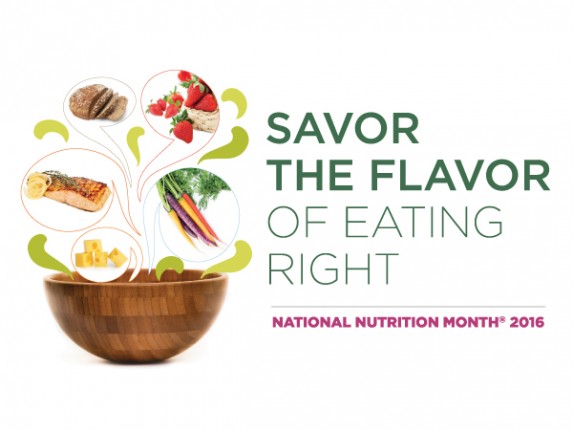
Each year, the Academy sets a theme for the month. This year the theme is “Savor the Flavor of Eating Right”. This purpose of this theme is to encourage the public enjoy food traditions and appreciate the pleasures, great flavors, and social experiences that food can add to our lives. Food is much more than what we put in our mouths. Food is much more than the nutrients that we put into our mouths. Food can evoke memories & feelings, bring people together, and provide comfort when we need it the most. Part of developing a mindful eating pattern in paying as much attention to how, when, and why we eat as we do to what we eat.

Categories // Uncategorized

  • « Previous Page
  • 1
  • …
  • 6
  • 7
  • 8
  • 9
  • 10
  • …
  • 19
  • Next Page »

Testimonials

Thank you for your encouraging words and not overwhelming me.

Appointments

Click here to request an appointment.

Contact

Marissa Kent Nutrition
Marissa Kent, MS, RDN, CDE

  • 26461 Crown Valley Pkwy, Suite 100
    Mission Viejo, CA 92691
  • (949) 415-4397
  • (949) 258-5508
  • marissa@marissakentnutrition.com

Latest Posts

Summertime

    Baby It’s Hot Outside Aww, July! It’s the month … [Read More...]

NEW: Cookbook for Newly Diagnosed Diabetes

Congratulations to my friend Lori at @LoriZaniniNutrition on her new … [Read More...]

Latest Pins

Copyright © 2026 Marissa Kent. Website by N.Creatives