Marissa Kent

Nutrition for Life

  • Email
  • LinkedIn
  • Twitter
  • Home
  • About
  • Services
  • Scheduling
  • Resources
  • Blog
  • Recipes
  • Contact

Start Your Path to Wellness

Sign up for my newsletter to get free healthy tips and recipes delivered to your email.

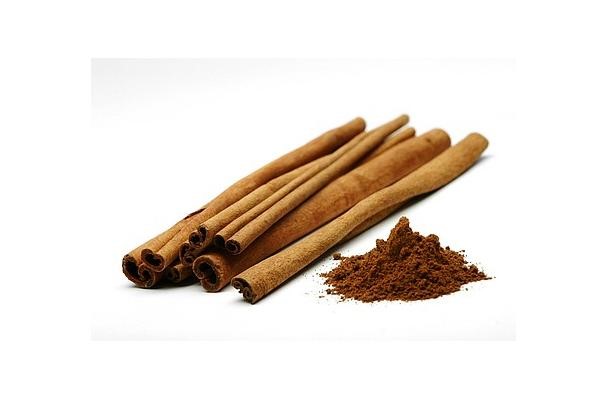
Health Benefits of Cinnamon

Dec 182015 by Elise Harlow // Leave a Comment

Health Benefits of Cinnamon

Did you know that herbs and spices contain many health benefits? Current research is exploringt
he therapeutic effects of various different herbs and spices.

Cinnamon is a spice that originates from the dried inner bark of a type of evergreen trees, called Cinnamomum, and is considered to be one of the first known spices.

There are two main types of cinnamon:

  • Ceylon cinnamon – often considered to be “true cinnamon”
  • Cassia cinnamon or Chinese cinnamon– originates from southern China and is typically less expensive than Ceylon cinnamon.

**Cassia cinnamon powder contains coumarin, a blood thinning agent. For those taking blood thinning agents or with liver disease, it may be safer to consume Ceylon cinnamon instead of Cassia cinnamon. **

Many of the healthy properties of cinnamon are still being researched. However, some studies have shown that cinnamon contains the following health benefits:

Antioxidant function

Antioxidants function in the body by preventing or limiting the damage of free radicals (compounds responsible for damaging cells). The antioxidant properties of cinnamon may play a role in reducing insulin resistance and diabetes complications.

Anti-inflammatory

The anti-inflammatory properties of cinnamon may also play a role in reducing insulin resistance and diabetes complications.

Improved blood lipid levels

Research has indicated that in some patients with type 2 diabetes, consuming cinnamon at a therapeutic level (1,00mg of supplement of ½ teaspoon cinnamon spice) may improve blood lipid levels.

Antimicrobial effects

Cinnamaldehyd, a chemical found in Cassia cinnamon, could help fight against bacterial and fungal infections.

Improved insulin action

Cinnamon slows the rate of which the stomach empties after a meal, resulting in a more even blood sugar level. Research also suggests that 1,000 mg of supplemental cinnamon (or about 1/2 teaspoon cinnamon spice) daily may significantly lower hemoglobin A1c in type 2 patients with poorly controlled diabetes.

**For those with type 1 diabetes, it is important to be careful with cinnamon supplementation and consumption as the cinnamon may cause insulin to be more effective and lead to hypoglycemia.**

 Looking for ways consume more cinnamon?

  • Sprinkle on oatmeal
  • Sprinkle on coffee grinds before brewing
  • Sprinkle on toast with nut butter
  • Add it to baked apples, bears, or bananas
  • Sprinkle on ice cream or yogurt

Don’t like the taste of cinnamon?

Try diffusing the cinnamon oil in an essential oil diffuser. While some studies have shown that smelling cinnamon can boost brain function, the health benefits of diffusing cinnamon oil are not adequately researched at this point. None the less, this essential oil recipe will fill your house with the warm, cozy smells of winter.

Spiced Citrus Recipecinnamon orange spice

Recipe from theprariehomestead.com

  • 3 drops wild orange essential oil
  • 2 drops cinnamon bark essential oil
  • 1 drop clove essential oil

Combine with water in a cold air diffuser.


Sources:
Healthguidance.org
Theprariehomestead.com
Today’s Dietitian
Drweil.com

Categories // Uncategorized

RD Recommended Gift Ideas

Dec 102015 by Elise Harlow // Leave a Comment

RD Recommended Gift Ideas

With the Holiday season in full force, finding the perfect gift for your family and friends is not always an easy task. To help reduce your stress during this time of the year, we have picked out our top 4 favorite dietitian recommended gift ideas. Even better, all of these gift ideas can be ordered off Amazon. This means no waiting in lines or fighting for a parking spot at the mall, hopefully further reducing stress that is so often high this time of year.

popcorn maker1. Popcorn maker

Did you know that popcorn is considered a whole grain and can be a delicious, nutritious and easy snack? When using a popcorn maker to pop popcorn instead of microwave popcorn, you can eliminate the trans & saturated fats (unhealthy fats) that outweigh the health benefits of this whole grain snack.

Click here to see our suggestion on Amazon.


sharp knife2. Chef knife

The importance of a sharp knife in the kitchen is sometimes underestimated. Having high quality sharp knives can make all the difference
when chopping, dicing and mincing.

Click here to see our suggestion on Amazon.


spiralizer3. Spiralizer

 This kitchen gadget turns fresh veggies (squash, potatoes, cucumber, carrots, etc.) into faux noodles. A spiralizer is a great way to increase vegetables intake. This is also a great way to sneak new veggies into dishes that children are already familiar with (ex. Add zucchini noodles to regularr spaghetti noodles). A spiralizer can help those following a gluten free diet to eat “pasta” dishes by substituting vegetables noodles with regular noodles.

Click here to see our suggestion.


silpat mat4. Silpat non-stick baking mat

This gift is great for the bakers in your life. This mat creates a non-stick surface on cookie sheets and eliminates the need for greasing pans. All you have to do is wash the mat, not the cookie sheet.  This mat can also be used as a non-stick surface for rolling out doughs.

Click here to see our suggestion.


Happy shopping!

Categories // Uncategorized

Defining “Cured”

Nov 302015 by Elise Harlow // 1 Comment

Diabetes Awareness Month
To complete our blog series for American Diabetes Month, today we will be discussing something that many patients diagnosed with type 2 diabetes wonder about- how do you define being “cured” of diabetes? The American Diabetes Association has yet to come to a complete consensus on how exactly to define “cured”, however, the Association has outlined some parameters that are scientifically referred to as remission.

Complete remission

Blood glucose levels are always in the normal range (fasting glucose less than 100 and A1C less than 6.0%) for at least one year after surgery without glucose-lowering medication.

Partial Remission

Blood glucose levels are below the diagnosis for diabetes (fasting glucose lower than 100-125 and A1C lower than 6.5%) for at least one year after weight loss surgery without glucose lowering medication.

Prolonged Remission

No sign of diabetes for at least 5 years after weight loss surgery.

 **A1C: a test that measures a person’s average blood glucose level over the past 2 to 3 months.

 Don’t miss the American Diabetes Month topics we covered earlier this month!
Gastroparesis & diabetes
Sleep & Diabetes
Tips for After Meal Highs


Source:
Diabetic Living (Summer 2013).

Categories // Uncategorized

  • « Previous Page
  • 1
  • …
  • 10
  • 11
  • 12
  • 13
  • 14
  • …
  • 19
  • Next Page »

Testimonials

Thank you for your encouraging words and not overwhelming me.

Appointments

Click here to request an appointment.

Contact

Marissa Kent Nutrition
Marissa Kent, MS, RDN, CDE

  • 26461 Crown Valley Pkwy, Suite 100
    Mission Viejo, CA 92691
  • (949) 415-4397
  • (949) 258-5508
  • marissa@marissakentnutrition.com

Latest Posts

Summertime

    Baby It’s Hot Outside Aww, July! It’s the month … [Read More...]

NEW: Cookbook for Newly Diagnosed Diabetes

Congratulations to my friend Lori at @LoriZaniniNutrition on her new … [Read More...]

Latest Pins

Copyright © 2026 Marissa Kent. Website by N.Creatives